Where to Find Comforting Jamaican Food in Denver
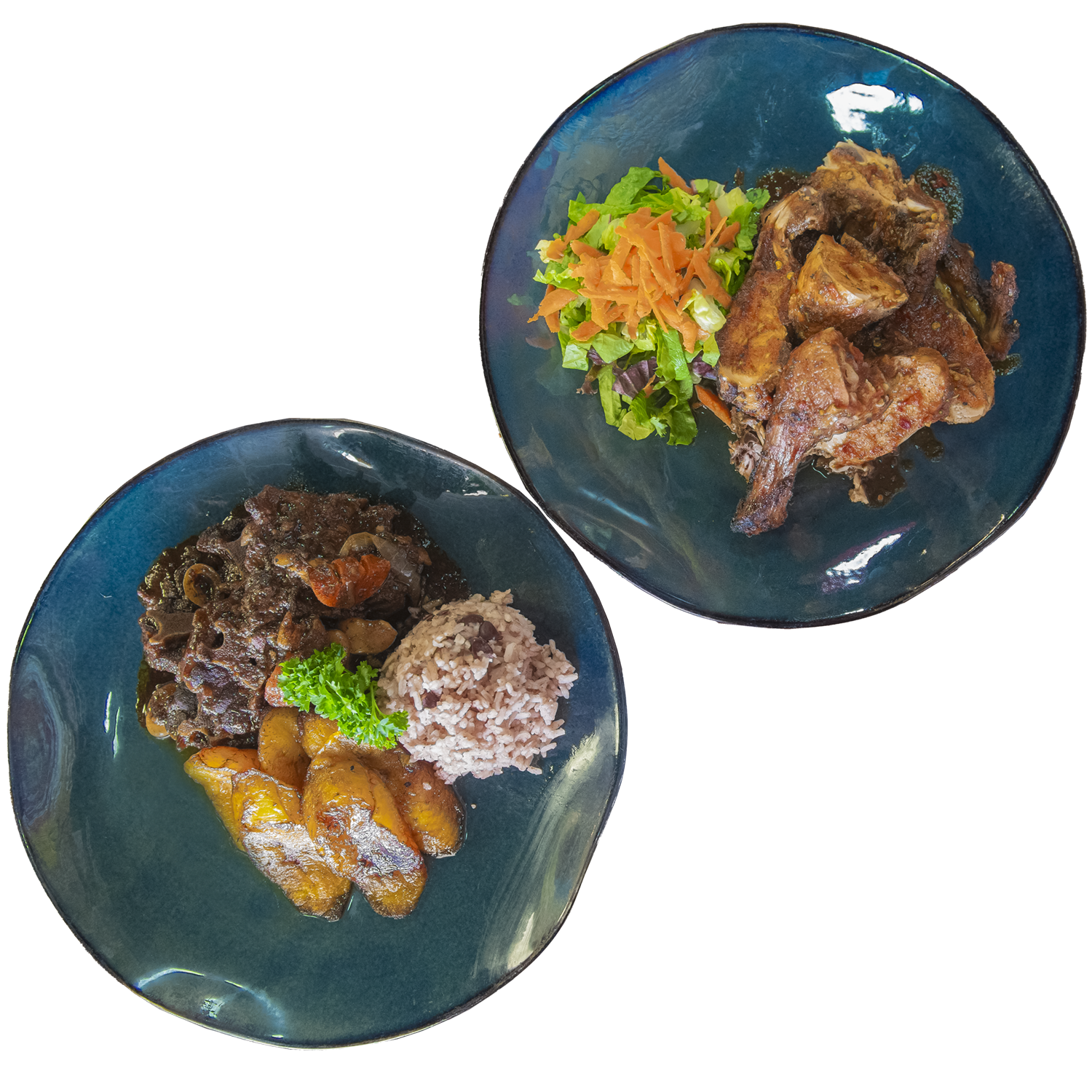
Denver is not the first American city people associate with Jamaican cooking, and that is exactly why the search can feel so personal. You are not walking into a neighborhood with a dozen steam tables lined up block after block. You are looking more carefully. You are reading menus with a sharper eye. You are trying to figure out which kitchen understands that a good oxtail needs patience, that jerk should taste layered rather than simply hot, and that rice and peas are not filler but part of the meal’s center of gravity.
That search is worth the effort. When Jamaican food is done well, it offers the kind of comfort that cuts through a cold Front Range day. The flavors are bold, but the effect is grounding. Brown stew chicken, curry goat, escovitch fish, beef patties, cabbage cooked down with seasoning, fried plantains with caramelized edges, all of it lands with the sort of warmth people usually mean when they talk about food feeding more than hunger.
If you have been typing “jamaican food denver” into your phone and coming up with a mix of Caribbean spots, pop-ups, and restaurants that may or may not still be open by the time you visit, a little strategy helps. Denver’s Jamaican food scene is real, but it is scattered. You find it in full-service restaurants, in small counter-service shops, at rotating market stalls, and sometimes through caterers who have loyal followings without major marketing budgets. The best approach is to know what good Jamaican cooking should taste like, where in the metro area you are most likely to find it, and how to read a menu before you commit to the drive.
What “comforting” means in Jamaican cooking
Comforting Jamaican food is not always the flashiest thing on the menu. Sometimes the dish that leaves the deepest impression is a lunch plate built on slow braising, steady heat, and careful seasoning rather than spectacle. That is one reason a lot of people fall in love with the cuisine through its everyday staples rather than its special-occasion dishes.
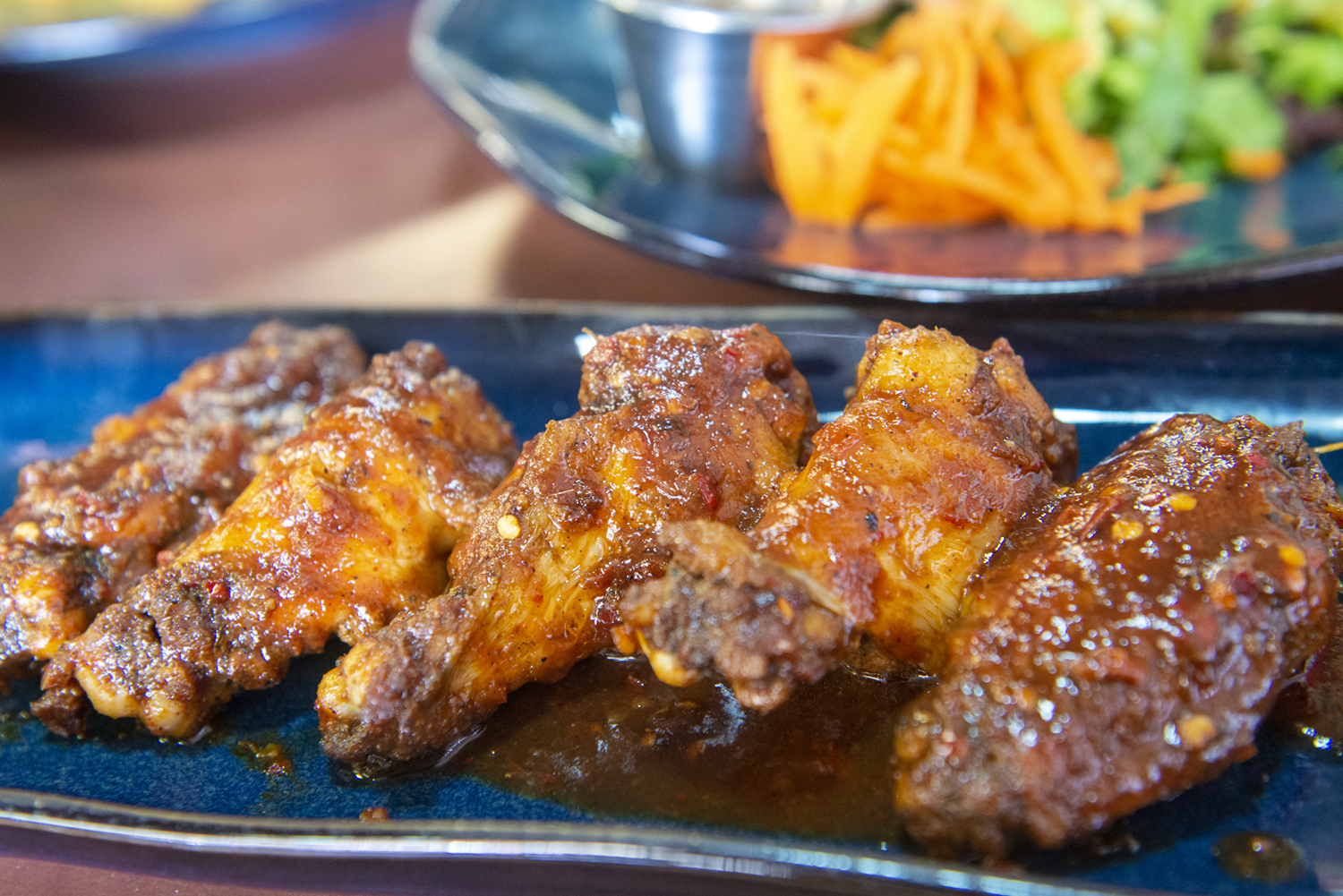
Oxtail is the obvious example. A proper version arrives with tender meat that yields without falling into mush, a rich sauce that carries beef depth along with thyme, scallion, allspice, and browning, and butter beans that have taken on the flavor of the pot. Curry goat offers a different kind of comfort, more aromatic than heavy, with the warm edge of curry powder and Scotch bonnet balanced by onion, garlic, and time. Jerk chicken, especially in the United States, often gets flattened into a generic “spicy grilled chicken” category, but good jerk has smoke, sweetness, herbaceousness, and that unmistakable pimento backbone.
Even side dishes matter more than many first-time diners expect. Rice and peas should be fragrant, separate, and savory, not a dull scoop added for volume. Cabbage should still have character. Plantains should be ripe enough to sweeten at the edges. Mac and cheese, when a restaurant offers it, often reflects the kitchen’s style, whether that leans homey and creamy or baked and structured. A good Jamaican meal feels composed, even when served in a takeout box.
That is what you are chasing in Denver, not simply the right dish names.
Why Denver’s Jamaican food scene takes a little digging
Denver is a city of strong food neighborhoods, but Caribbean cuisine here tends to be more dispersed than, say, Mexican or Vietnamese food. There are a few reasons for that. Rent pressure has pushed many independent operators to suburban corridors or mixed-use commercial strips rather than marquee urban blocks. Some cooks work through catering, festivals, or pop-ups first because the overhead is lower. Others run broader Caribbean menus that mix Jamaican dishes with Trinidadian, Haitian, or soul food influences, which means you have to read carefully if your goal is specifically Jamaican food.
That is not a drawback so much as a reality. Some of the best meals in metro Denver come from businesses without polished branding or from dining rooms that prioritize regulars over trend appeal. If your expectation is a highly styled restaurant district full of island-themed interiors, Denver may disappoint you. If your standard is flavor, generosity, and a kitchen that knows how long it takes to make stew right, the city can surprise you.
Another practical point matters here. Jamaican restaurants often have narrower daily production than diners realize. A dish may sell out. Weekend menus may differ from weekday lunch service. A place may be strongest at braises and patties but only average at fried seafood, or vice versa. Anyone serious about finding the best jamaican food denver offers needs to treat the search less like checking off a cuisine category and more like learning the habits of a few dependable kitchens.
The best places to look first
You are most likely to find worthwhile Jamaican cooking in the broader metro rather than only central Denver. That includes parts of Aurora, eastern and northeastern corridors, and suburban pockets where small independent restaurants can survive without downtown lease rates. It also includes markets and food halls where newer operators test the waters.
Aurora deserves special attention because it has long served as one of the metro area’s most diverse dining landscapes. A Caribbean restaurant there may draw a more mixed everyday crowd, and that is often a good sign. Restaurants built around repeat customers, rather than destination diners alone, tend to care deeply about consistency. If a place is doing steady lunch business with people who know what the food should taste like, that usually tells you something useful before you even order.
Northeast Denver and nearby commercial strips can also be fruitful, especially where there is a history of Black-owned food businesses and community-oriented restaurants. These are not always heavily promoted online. Sometimes the strongest lead is a simple menu posted on social media, a neighborhood recommendation, or a catering operation that expanded into a storefront.
Do not ignore suburban addresses. Plenty of cooks who make excellent Jamaican food are operating outside the urban core for practical reasons, not because the food is secondary. In fact, some of the most satisfying Caribbean restaurants in many American cities sit in modest plazas beside barbershops, tax offices, or small grocery stores. Denver is no exception to that pattern. If your best lead points you twenty or thirty minutes from downtown, take the drive.
Food festivals, Juneteenth events, farmers markets, and rotating pop-ups can also be surprisingly valuable. They do not replace a permanent restaurant, but they can introduce you to cooks worth following. More than once, a strong plate from a temporary setup has led people to a caterer taking weekend preorders or to a chef preparing for a brick-and-mortar opening. For a cuisine that does not always have mainstream visibility in Denver, these channels matter.
How to tell if a spot is likely to be good before you order
A menu reveals more than most people think. If a restaurant offers a very broad list of global comfort foods along with a couple of Jamaican dishes, I usually lower my expectations for the Jamaican side unless there is strong word-of-mouth behind it. A focused menu is not mandatory, but it often signals confidence and real repetition in the kitchen. Repetition matters because dishes like oxtail, curry goat, and brown stew chicken improve when cooks are making them constantly and refining the process.
Descriptions matter too. Jerk should not read like generic barbecue with a spicy glaze. Curry goat should not be treated as interchangeable with any other curried protein. If the menu notes traditional sides such as rice and peas, festival, callaloo, coco bread, or beef patties, that is often encouraging. It suggests the restaurant is building a meal system around Jamaican food rather than borrowing a few recognizable names.
Photos can help, though they need context. Deep brown gravy on oxtail is a good sign. Rice and peas that look glossy rather than dry can be a good sign. Jerk chicken with visible char and color variation is generally more promising than pieces drowned in sweet sauce. Still, photos are secondary to customer patterns. Reviews that mention people returning for the same dish again and again are more meaningful than reviews focused only on portion size.
A short checklist helps when you are deciding whether a restaurant is worth trying:
- Look for braised staples like oxtail, curry goat, brown stew chicken, and jerk chicken.
- Check whether the sides sound intentional, especially rice and peas, cabbage, plantains, and patties.
- Read recent reviews for comments on seasoning, tenderness, and consistency, not just price.
- Call ahead if you want a specific dish, because sellouts are common at smaller operations.
- Favor places with a narrower menu over kitchens trying to cook half the Caribbean in one pass.
What to order if you want the most comforting meal
If you are new to Jamaican food, start with the dishes that best show a kitchen’s patience. Oxtail remains the benchmark for many diners because it tells you immediately whether the restaurant understands slow cooking. A good plate has depth from the bones, enough richness to feel substantial, and enough restraint that it does not taste muddy or oversalted. If a restaurant gets oxtail right, it often gets other braises right too.
Curry goat is another excellent test. Goat can turn tough if rushed, and mediocre curry can feel dusty or one-note. The best versions have distinct spice without harshness, and the meat should be tender enough to pull away easily while still holding its shape. This dish is especially comforting in Denver’s colder months, when aromatic stews feel right at noon and even better after dark.
Brown stew chicken deserves more love than it gets. It is not always the dish people post online, but it often delivers the strongest sense of home cooking. The chicken carries browned, almost caramelized notes, the sauce seeps into the rice, and the whole plate feels built for appetite rather than performance. If I am trying a restaurant for the first time and want to understand the kitchen rather than chase the most expensive item, this is often where I begin.
Jerk chicken can be wonderful, but it also has the widest range between average and excellent. Some places rely too heavily on bottled sweetness or excessive heat. The versions worth returning for balance fire, smoke, herb, and spice. If the kitchen uses dark meat and cooks it long enough to stay juicy, all the better. With jerk, I usually ask whether it is grilled to order, roasted in batches, or smoked, because the answer tells you a lot about texture and flavor.
Beef patties, coco bread, and callaloo round out the experience if the restaurant offers them. Patties are especially useful as a low-risk first order. A good one has a flaky crust with a filling that tastes seasoned and complete, not like an afterthought. They are also ideal when you want a quick lunch without committing to https://erickqeue380.evercolumn.com/posts/your-guide-to-delicious-jamaican-food-in-denver a full plate.
The role of atmosphere, and why it matters less than you think
Many people looking for comforting food are also looking for a certain feeling. They want the dining room to match the meal. That can be nice, but with Jamaican food in Denver, atmosphere is sometimes the least reliable indicator of quality. I have eaten excellent Caribbean food in bright, plain spaces with plastic menus and little decoration. I have also eaten underwhelming food in rooms that spent heavily on design cues.
Comfort in this cuisine comes more from the plate than the setting. You are better off finding a restaurant with a serious steam table, a kitchen that smells like thyme and allspice, and regulars who know what they want before they reach the counter. That said, hospitality still matters. The best places usually have a rhythm to them. Staff can tell you what sold fast that day. They know whether the patties just came out. They may steer you toward the freshest fish or let you know the curry is particularly strong that afternoon. That kind of guidance is worth more than décor.
Takeout is also a perfectly respectable way to experience Jamaican food in Denver. In some cases it is the best way. Braised dishes travel well, and rice-based plates can actually settle into themselves nicely over the drive home. If you are bringing food back for a group, order a mix of one or two braises, one jerk item, and plenty of sides. You will get a better sense of the kitchen than by trying to sample everything.
What Denver diners sometimes get wrong about Jamaican food
One common mistake is treating every dish as if it should be intensely spicy. Heat is part of the cuisine, especially where Scotch bonnet is involved, but good Jamaican cooking is not built on pain tolerance. It is built on seasoning. Thyme, scallion, garlic, ginger, allspice, onion, and browning all matter. If a plate tastes only hot, something has gone sideways.
Another mistake is ordering only jerk and assuming that tells the whole story. Jerk is famous for a reason, but it represents just one lane of Jamaican cooking. If you skip the stews, curries, and patties, you miss the foods that many people actually crave when they want comfort. I have watched first-time diners light up more over oxtail gravy soaking into rice than over any grilled item.
Price can also confuse people. Jamaican dishes that require long cooking times or expensive cuts, especially oxtail, often cost more than diners expect. That is not always a sign of overcharging. Oxtail prices have risen widely over the last several years, and labor-intensive preparations do not lend themselves to bargain-basement pricing. The better question is whether the portion, balance, and quality justify the cost.
If you are serious about finding your go-to spot
The smartest approach is to stop searching for the single “best” Jamaican restaurant and start looking for the place that fits the dish you want, the neighborhood you can realistically reach, and the kind of meal you are after. Some restaurants excel at lunch plates and patties. Others are worth the trip mainly for weekend braises. Some make great jerk but less compelling sides. That does not make them bad. It makes them specific.
Here is a practical way to narrow the field when searching for jamaican food denver diners genuinely return to:
- Pick one benchmark dish, usually oxtail, curry goat, or brown stew chicken.
- Try it from two or three well-reviewed Caribbean spots in the metro.
- Note the sides, because they often reveal as much as the main protein.
- Return to the strongest kitchen and order a second dish on your next visit.
- Keep an eye on pop-ups and caterers, since some of the best cooks operate part-time.
This kind of repeat tasting sounds fussy, but it is not. It is simply how you learn a food scene that is smaller and more spread out. Denver rewards that effort. A restaurant you might have overlooked because of its location or plain storefront can end up becoming the place you recommend to everyone once they say they want real comfort food.
A final note for cold-weather cravings
There is something especially satisfying about Jamaican food in Denver when the weather turns. The city’s long shoulder seasons, sudden temperature drops, and snowy afternoons make rich, deeply seasoned food feel not just appealing but necessary. Oxtail and rice and peas on a thirty-degree evening can hit with the same emotional force as pho, chili, or pot roast. It is a different flavor profile, obviously, but the comfort registers in a similar part of the body.
That may be why the best Jamaican meals here tend to inspire loyalty out of proportion to the size of the scene. Once people find a kitchen that gets the gravies right, that cooks with confidence rather than shortcuts, and that serves food with the kind of generosity these dishes deserve, they hold on to it. They tell a friend. They make the drive again. They call ahead before the weekend rush. That is usually how the real map of Jamaican food in Denver gets made, not through flashy rankings, but through repeat cravings and quiet trust.
If you are still looking, be patient and stay curious. Follow the scent of allspice and thyme. Read menus closely. Respect the suburban strip mall. Order the braise before the grill if comfort is the goal. Somewhere in Denver, probably a little farther from downtown than you first expected, there is a plate of curry goat or brown stew chicken waiting to become your cold-day standard.
Reggae Pot Jamaican Grill
Address: 2243 S Monaco St Pkwy #104, Denver, CO 80222
Phone number: +17204102956
FAQ About Jamaican Food Denver
What is typical Jamaican food?
Typical Jamaican food features bold, vibrant flavors created by blending African, Taino, European, and Asian influences.
What is a famous Jamaican dish?
Ackee and saltfish is Jamaica's national dish, made by sautéing the soft local ackee fruit with salted cod, onions, tomatoes, and spicy Scotch bonnet peppers.
What food is most popular in Jamaica?
The most popular and famous food in Jamaica is Jerk Chicken, celebrated worldwide for its smoky, spicy flavor.