The Ultimate Guide to Finding the Best Irish Pub NYC Has to Offer
New York has no shortage of bars that call themselves Irish. Some earn the label honestly. Others hang a tricolor in the window, pour a respectable pint, and stop there. If you are trying to find the best Irish Pub NYC has to offer, that difference matters more than most people think.
A real Irish pub is not just a room with dark wood and a Guinness tap. It has a certain ease to it. The bartender knows when to chat and when to leave you alone. The lighting flatters the room instead of fighting it. The music supports the mood rather than dominating it. The food, if the kitchen takes itself seriously, feels like someone actually thought about what pairs well with stout, whiskey, and a damp New York evening. Above all, the place has rhythm. People settle in. Time slows down a little.
That is why finding the right one can feel harder than it should. New York is full of excellent bars, but an excellent bar is not automatically an excellent Irish pub. The best ones balance hospitality, consistency, and atmosphere in a way that is difficult to fake. They work for a quick pint after the office, a long Saturday session with friends, a solo lunch at the bar, or a last stop after a show. They feel lived in, not staged.
What makes an Irish pub worth seeking out
The first thing to understand is that authenticity is not a costume. Some of the strongest Irish pubs in New York are old neighborhood fixtures with no interest in performing for tourists. Others are polished, newer establishments run by people who understand the tradition well enough to adapt it without draining it of character. Both can be great. What matters is execution.
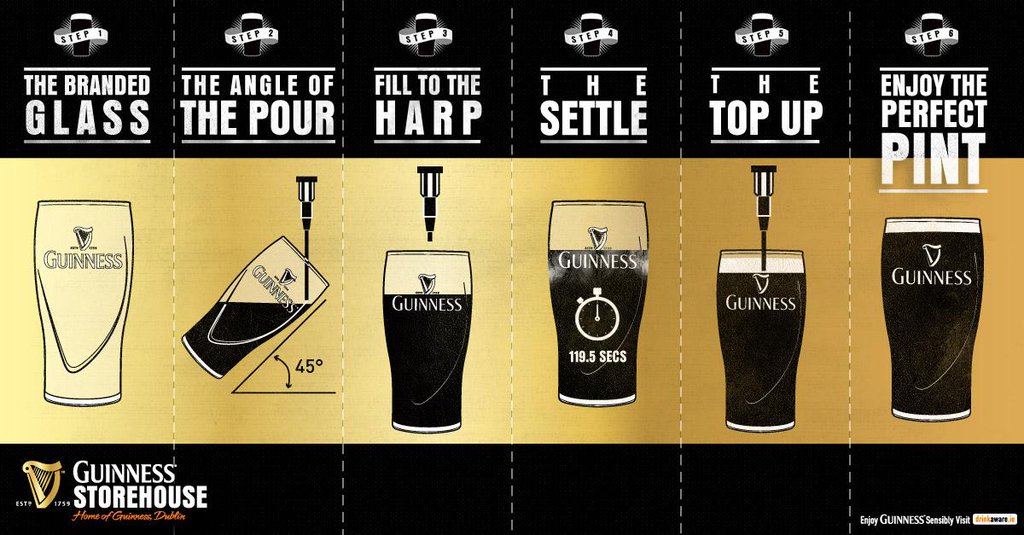
A proper pint is the most obvious benchmark. Guinness should be poured with care, served at the right temperature, and presented with a head that looks creamy rather than foamy. That sounds simple, yet plenty of places get it wrong. The same goes for Smithwick’s, Harp, or a rotating set of Irish craft beers if the bar is more ambitious. Whiskey selection matters too, but not in the way many people assume. A wall of bottles is impressive for about twenty seconds. A shorter list chosen thoughtfully, with a bartender who can explain the difference between a light Irish blend and a pot still expression, is far more valuable.
Then there is the room itself. The best Irish pubs in New York rarely feel overdesigned. They may have polished wood, snug booths, framed mirrors, brass railings, old photos, or a fireplace if you are lucky. Yet the point is not nostalgia for its own sake. The room should invite conversation. You should be able to hear the person next to you without shouting. If there is live music, it should add life, not drown out the bar.
Food is often the separator between a good pub and a place you return to regularly. The reliable standards still matter. Shepherd’s pie, fish and chips, curry fries, soda bread, bangers and mash, and a solid burger all have their place. But quality shows up in small decisions. Are the chips crisp? Is the stew rich rather than salty? Does the kitchen know how to cook salmon without drying it into memory foam? I have spent enough evenings in New York pubs to know this much: if the kitchen respects the basics, the whole operation usually does too.
The city’s Irish pub map is not one neighborhood
Visitors often assume the answer sits in Midtown, near the hotels, Madison Square Garden, or Times Square. That area certainly has famous names and long established rooms, and some are genuinely good. But if you stop your search there, you miss too much of what makes the city’s Irish pub scene interesting.
The Financial District has its own style, shaped by old New York habits and after-work crowds. You can still find places where the room fills with a mix of office workers, regulars, and the occasional tourist who got lucky. Midtown East and Murray Hill have long been dependable territory for classic after-work pubs, often strong on pints and sports. The Upper East Side, with its residential steadiness, tends to reward repeat visits. The West Village and Greenwich Village can deliver pubs with more charm, though popularity sometimes raises the volume and lowers the sense of intimacy. In Queens and parts of Brooklyn, especially in neighborhoods with deep Irish roots or strong local bar culture, you may find the most grounded experiences of all.
If you are serious about finding the best Irish Pub NYC offers for your own taste, think in terms of purpose rather than prestige. Ask yourself what kind of night you want. Quiet pint and a book. Match day with a crowd. Traditional music. A late dinner with whiskey afterward. A place to bring visiting relatives that feels genuinely New York and genuinely Irish at the same time. The answer changes the shortlist.
Signs you are in the right place
A great pub reveals itself quickly. Not through slogans or decor alone, but through a few practical details that regulars notice almost immediately.
- The bartender acknowledges you promptly, even if they are busy.
- The Guinness pours are consistent from one server to the next.
- The room has regulars, but newcomers do not feel frozen out.
- The music level leaves space for conversation.
- The food coming out of the kitchen looks like someone wants to eat it.
That last point deserves more respect than it usually gets. People forgive too much in bars if the drinks are decent. Yet pubs are built for lingering, and lingering gets better when the kitchen is not an afterthought. One of the simplest ways to test a pub is to order something basic, maybe a bowl of soup, a sandwich, or fish and chips. You learn very quickly whether the place is coasting on atmosphere or backing it up.
The Guinness test, and why it matters
The Guinness test has become a cliché, but clichés often survive because they are useful. A pint of Guinness is not just another beer. It demands patience, clean lines, and proper handling. That does not mean every bartender must perform a theatrical ritual. It means the final pint should taste fresh, creamy, and balanced, with that familiar roasted bitterness and soft finish.
In New York, high volume can be a blessing here. A pub that sells a lot of Guinness usually serves a better Guinness because the line stays active and the staff stays practiced. You want a place where stout moves. You also want glassware that is actually clean, because any residue can kill the appearance and the drinking experience. Watch the bar for ten minutes and you can usually tell a lot. Are pints arriving neatly? Is the staff rushing everything? Do customers order a second round of the same, or switch immediately?
That said, do not make the mistake of judging an entire pub on Guinness alone. Some places shine because they know whiskey, keep a smart tap list, or create a mood that no technical pour can replace. The best Irish pub for one person may be the perfect stout-and-stew refuge. For another, it may be a bright, lively room with oysters, a broad whiskey shelf, and a dozen conversations going at once.
Whiskey tells a story, but staff tell it better
A serious Irish pub in New York should have whiskey worth exploring. That does not require encyclopedic scale. In fact, some bars hide behind oversized collections. The better question is whether the list has shape. Can you find a few approachable blends, a handful of single malts, a pot still whiskey or two, and something a little unusual for people who know what they like? Even better, can the bartender steer you without making it a lecture?
A good whiskey program serves both the curious drinker and the devoted one. Maybe you came in wanting a neat pour of Redbreast. Maybe you usually drink bourbon and want an easy entry point into Irish whiskey. Maybe you are splitting a few pours with a friend and trying to understand how triple distillation changes the profile. An experienced bar team can make that feel welcoming rather than precious.
The strongest pubs also know when not to oversell. Not every visit calls for a tasting flight and a deep dive into cask finishes. Sometimes the right whiskey is simply the one that follows a pint, arrives in a proper glass, and suits the hour.
Food that rises above pub obligation
There is a persistent myth that pub food only needs to be hearty. That is an excuse for mediocrity. Hearty food can still be sharp, balanced, and memorable. In New York, where diners have options on every block, a pub that wants loyalty has to cook with some conviction.
The best kitchens understand proportion. A steak and Guinness pie should be rich but not leaden. Colcannon should taste of potatoes and butter, not just salt. Fish and chips should arrive hot, with batter that shatters https://privatebin.net/?4a2ae2c3c01ff948#3pwZvcC4FYTWNtkcQrEyjHZaZFUXqJf7gTfP7AtVVnHt rather than peels away in a rubbery sheet. Brown bread should do more than fill the basket. If a pub serves brunch, it should feel like a real service, not a placeholder for the day drinkers.
I have found that Irish pubs with thoughtful food often become neighborhood anchors in a different way from bars that focus only on drinks. They attract solo diners. Families come early in the evening. Older regulars stay in the rotation. The room develops layers, and those layers make the place stronger. If you walk in at 6:30 and see a mix of ages and reasons for being there, that is usually a very good sign.
Timing changes everything
The same pub can feel wonderful at 4:30 in the afternoon and nearly unrecognizable at 10:30 at night. That is not a flaw. It is part of choosing well.
If you want to assess a pub clearly, go once during an off-peak window. Late afternoon on a weekday is ideal. Service patterns are easier to read, you can hear the room, and the staff has enough breathing room to show whether hospitality is built in or only appears when management is watching. Then, if the first visit goes well, come back on a busier night. A place that stays composed under pressure is the one worth keeping in your life.
Sports can transform the equation too. During major football matches, rugby internationals, or big GAA events, a pub with strong Irish roots can become electric. That energy is part of the draw, but it may not tell you much about whether the pub works on an ordinary Tuesday. Some places are match-day specialists. Others manage to be both festive and dependable.
Tourist favorite or neighborhood local, both can be excellent
There is a tendency among seasoned New Yorkers to dismiss any bar that appears in guidebooks. That is too easy, and often wrong. Some famous Irish pubs are famous because they earned it over decades. They have figured out how to handle volume without losing all personality. They may not offer the intimacy of a quiet local spot, but they can still deliver strong pints, experienced bartenders, and a room full of history.
Neighborhood pubs, meanwhile, often provide the truer measure of quality. They cannot survive on one-time visits alone. They need regulars who trust the bar staff, return for dinner, and bring friends. That pressure produces a different kind of excellence, one rooted in steadiness. If the bartenders remember orders, if the kitchen maintains standards, if the room feels intact year after year, you are looking at something valuable.
The smart move is not to pick sides. It is to understand the trade-off. A destination pub may offer atmosphere with a capital A, polished service, and broad selection. A local pub may offer warmth, continuity, and better odds of a genuinely relaxed evening. Depending on your mood, either could be your best Irish Pub NYC experience.
How to search without wasting nights
New York rewards a little planning. It also punishes overplanning. The best strategy falls somewhere in the middle. Start with a short list based on neighborhood and purpose, then pay attention to what the place feels like once you are inside.
Here is a practical way to narrow the field when you are choosing where to go:
- Pick the neighborhood first, because cross-town travel can kill the mood before the first pint.
- Check whether the pub leans quiet, sporty, music-heavy, or dinner-forward.
- Look at the food menu and whiskey list, not just the drink photos online.
- Arrive early enough to judge service before the rush takes over.
- If the first drink is right, stay for a second and see how the room settles around you.
That last point sounds obvious, but it is one of the most reliable tests I know. Plenty of bars make a sharp first impression. Fewer improve after twenty minutes. In a truly good pub, the second round often feels like the reason you came.
The role of live music, sport, and atmosphere
Live music can elevate an Irish pub or flatten it. The difference usually comes down to intent and volume. Traditional sessions played by musicians who understand the room can create one of the best nights in New York. The tune set moves, conversations continue at the edges, and the pub feels briefly connected to a much older social rhythm. On the other hand, amplified cover sets that turn the room into a forced singalong can make even a handsome space feel generic.
Sports create their own challenge. Televised matches are part of pub life, but the screen should not own the room unless that is the point of the venue. Some of the best Irish pubs in the city know how to support both camps. They draw a serious crowd for major games, then return to a more balanced atmosphere the rest of the week. If every wall is a television and every chair points at one, you may be in a sports bar that happens to pour Guinness rather than an Irish pub in the fuller sense.
A lot of people underestimate acoustics here. In a good pub, laughter carries, glasses clink, and music sits in the background like another piece of furniture. In a mediocre one, noise bounces hard off every surface, and after one drink you begin to tire without knowing why. Pay attention to that feeling. Your ears usually know before your brain does.
Service is where hospitality becomes visible
The Irish tradition in pubs, at its best, is not about sentimentality. It is about ease, generosity, and competence. You feel it in how the room is run. A bartender can be brisk and still hospitable. A server can be efficient and still warm. The key is whether the interaction feels human rather than transactional.
This is especially important in New York, where so many bars lean on speed. Fast service is useful, but a pub should do more than process orders. The best teams read the room. They know who wants menu advice, who is waiting for a friend, who needs another minute, who has become a regular, and who may become one if treated properly. That sort of service cannot be faked with branding language.
I have also found that a pub’s handling of solo guests says a lot. In strong Irish pubs, drinking or dining alone never feels like a social error. A single customer can take a stool, read the paper, eat dinner, watch a match, or strike up a conversation if the mood allows. That flexibility is part of the genre’s appeal.
Price, value, and the New York reality
No one goes to New York expecting bargain pints, and Irish pubs are not immune to rising costs. Rent, labor, and ingredients are what they are. Still, there is a meaningful difference between expensive and poor value.
A higher check can make sense if the pub offers excellent service, maintains a strong kitchen, stocks thoughtful whiskey, and keeps the room in good shape. You are paying for competence and atmosphere, not just liquid. What stings is paying premium prices in a pub that treats food as filler, lets pints slide, and confuses crowding with quality.
Happy hours can be useful, though they do not tell the whole story. A packed discount window may say more about office geography than about pub standards. Instead of chasing the cheapest round, consider what you want the evening to feel like. A slightly pricier pub where you stay for three satisfying hours is often better value than a cheaper one you are eager to leave after forty minutes.
How regulars decide, even if they never say it out loud
Most regulars do not analyze a pub in public. They simply return or they do not. But over time, their choices reveal a pattern. They stick with places that stay consistent through staff changes, weather swings, and changing neighborhood habits. They forgive the occasional bad night if the fundamentals remain strong. They avoid places that feel like concepts instead of establishments.
That is the real standard to borrow when searching for the best Irish Pub NYC can offer. Do not look for perfection. Look for signs of a place that knows what it is and delivers that identity night after night. A pub should feel reliable without becoming dull, lively without becoming exhausting, and familiar without becoming lazy.
If you find one that gets the pint right, feeds people properly, holds a room with confidence, and sends you back into the city in a better mood than when you arrived, hold onto it. In New York, that is not just a good bar. It is a rare and enduring kind of success.
Hibernia Bar
401 W 50th St
New York, NY 10019, United States
Phone: +1 212-969-9703
FAQ About Irish Pub NYC
What is the best Irish pub in NYC?
The best choice depends on your location and preferred atmosphere. Hibernia Bar is a neighborhood Irish pub in Hell's Kitchen offering Guinness, Irish whiskey, pub food, and sports viewing.
Where do Irish people go in NYC?
New York's Irish community gathers in many neighborhoods and venues. Hibernia Bar welcomes Irish expats, local residents, and visitors at 401 W 50th St, just off Ninth Avenue.
Where can I watch GAA games in New York?
Hibernia Bar lists GAA among the sports it shows. Call +1 212-969-9703 to confirm coverage and opening times for a particular match before visiting.
What is the difference between a bar and a sports bar?
A sports bar emphasizes televised games and a shared viewing atmosphere. Hibernia combines sports viewing with the food, drinks, and hospitality of a neighborhood Irish pub.