Southern Restaurant Pittsburgh, PA: Best Spots for Hearty Meals

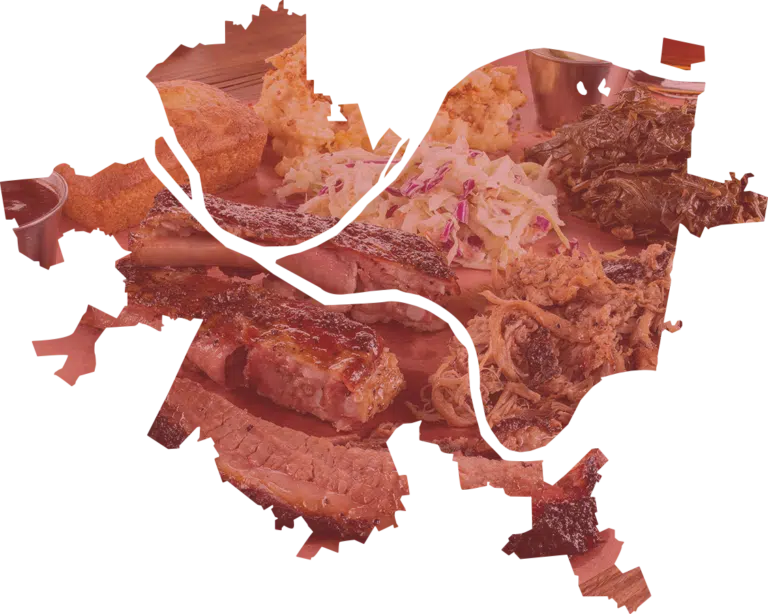
Pittsburgh does comfort food well. It always has. This is a city that understands cold weather, long workweeks, late-night cravings, and the kind of meal that needs both heft and heart. That is part of why Southern cooking fits so naturally here. Biscuits, fried chicken, mac and cheese, smothered greens, shrimp and grits, banana pudding, hot sauce on the table, sweet tea in a big glass, all of it makes sense in Western Pennsylvania.
The challenge is that “Southern” can mean very different things depending on where you are eating and what you grew up with. For some diners, it means soul food, with slow-cooked greens, candied yams, cornbread, and fried fish. For others, it means Nashville-style hot chicken, barbecue, or a brunch plate built around chicken and waffles. Some restaurants lean traditional. Others borrow Southern technique and flavor, then run it through a modern gastropub lens.
If you are trying to find a great southern restaurant Pittsburgh, PA diners actually return to, it helps to know what kind of Southern meal you want. The city has a few places that specialize, a few that interpret the cuisine more loosely, and a handful that are best when you order the right dish rather than expecting the entire menu to feel rooted in the South.
What makes a Southern restaurant worth seeking out in Pittsburgh
A lot of places can fry chicken. Fewer can fry chicken well. The same goes for biscuits, grits, collard greens, and barbecue sides. Southern food sounds simple on paper, but it punishes shortcuts. If the kitchen rushes the greens, they taste flat. If the biscuit dough gets overworked, the texture turns tough. If the mac and cheese relies on bland sauce and underseasoned pasta, it feels heavy without being satisfying.
The better Southern spots in Pittsburgh usually get a few fundamentals right. First, they season aggressively but intelligently. Salt matters, but so do pepper, vinegar, smoke, cayenne, onion, garlic, and the fat used in the pan. Second, they respect texture. Crisp crust, tender meat, creamy grits, and greens with body are not small details, they are the meal. Third, they understand balance. Rich dishes need acid, heat, or bitterness somewhere on the plate. A spoonful of slaw, a splash of hot sauce, a pickle spear, or a vinegary side can make the difference between a meal that drags and one that keeps you reaching for another bite.
In Pittsburgh, that standard matters even more because diners here know comfort food. You cannot hide behind a trend when your audience has spent years judging pierogies, fish sandwiches, fries on salads, and big Sunday dinners. A Southern restaurant that lasts in this city usually earns its place.
Carmi Soul Food, one of the city’s most direct routes to a true comfort meal
When people ask where to start with Southern food in Pittsburgh, Carmi Soul Food comes up for good reason. It is one of the clearest examples of a restaurant built around the deep traditions of soul food rather than a lighter, trend-driven idea of Southern cooking. The appeal is straightforward: generous portions, familiar staples, and food that tastes like it was made by people who understand exactly what these dishes are supposed to do.
At a place like Carmi, the sides matter as much as the entree. That is often the first thing I pay attention to when judging a soul food restaurant. Fried chicken can bring people in, but greens, yams, mac and cheese, and cornbread tell you how serious the kitchen is. A well-executed soul food plate should feel cohesive. The chicken is hot and crisp, the greens are pot-liquor rich, the macaroni holds its shape instead of dissolving into mush, and the cornbread tastes deliberate rather than obligatory.
The practical upside here is value. If you want a meal that truly fills you up, especially on a cold day or after a long shift, this style of restaurant delivers in a way many polished downtown spots do not. It is also the kind of place where leftovers can be a bonus rather than an afterthought. Not every dining experience needs to be precious. Sometimes you want a full tray, strong seasoning, and no confusion about what you came for.
That said, soul food restaurants can run differently from high-volume chain operations or polished brunch rooms. Menus may shift, popular items can sell out, and peak hours can get busy. That is not a flaw, it is often part of the reality of food that is made in batches and rooted in labor-intensive preparation. Diners who understand that tend to have a better experience.
The Eagle, polished Southern comfort with broad appeal
If Carmi represents one end of the spectrum, The Eagle represents another. It is a strong option for diners who want Southern-inspired comfort food in a more upscale-casual setting, particularly downtown. The atmosphere tends to work well for groups, pre-event dinners, casual business meals, and visitors who want something familiar but still substantial.
The signature draw is fried chicken, and that makes sense. Fried chicken is one of those dishes that can support an entire restaurant if the execution is consistent enough. The best versions strike a precise balance: a well-seasoned crust, audible crunch, juicy meat, and enough structural integrity that the breading stays attached. That sounds basic until you have had too many versions where the crust slips off in one sheet or the chicken dries out before it reaches the table.
The Eagle’s style of Southern food is less about recreating a family Sunday table and more about giving classic comfort dishes a clean, crowd-friendly presentation. That makes it a smart recommendation for diners who want Southern flavors without the narrower, more specialized menu you sometimes get at smaller soul food spots. It also helps if you are eating with people who want a range of shareable sides and appetizers.
Still, there is a trade-off. Restaurants built for broad appeal often sand down some of the edges that make Southern food memorable. Heat may be moderated. Smoke can feel lighter. Sweetness, salt, and richness may be calibrated for the average diner rather than the person looking for something that tastes deeply regional. That does not make the food bad. It just means expectations matter. If you want comfort with polish, it is a strong pick. If you want the meal to feel like a direct transmission from Mississippi, Alabama, Georgia, or the Carolinas, you may prefer a more specialized kitchen.
Where brunch changes the conversation
Southern food in Pittsburgh often shows up most visibly at https://www.google.com/maps?cid=12825594496636542546 brunch. That is not surprising. Brunch is a natural home for biscuits, gravy, chicken and waffles, cheesy grits, and breakfast potatoes alongside cocktails and coffee. In many cities, brunch can flatten regional food into a string of Instagram-friendly plates. Pittsburgh, fortunately, has enough serious eaters that restaurants usually need to back up the look with actual flavor.
Chicken and waffles is the dish that gets the most attention, but it is also one of the easiest to get wrong. The problem is usually proportion. A massive, dense waffle can overwhelm the chicken. Syrup can turn the plate sticky and one-note. Or the kitchen can lean too hard on sweetness, forgetting that the pleasure of the dish comes from contrast: salt against maple, crisp against fluffy, hot against soft.
Shrimp and grits presents another test. Grits should be creamy and seasoned, not a bland white mass beneath a few shrimp. The shrimp should be cooked just to the point of tenderness, and the sauce needs enough brightness or heat to cut the starch. When a restaurant gets this right, it becomes the kind of dish people talk about all week. When it goes wrong, it feels expensive and sleepy.
For brunch-focused Southern food, the smartest move is often to scan the menu for signs of confidence. If the place offers one or two Southern staples and does them consistently, that can be better than a sprawling menu trying to cover every regional tradition at once.
Southern food and soul food are related, but not interchangeable
This distinction matters, especially if you are narrowing your search for a southern restaurant Pittsburgh, PA residents genuinely recommend. Southern cooking is an umbrella. Soul food sits within that broader world, with strong roots in African American culinary traditions and a history shaped by migration, resourcefulness, agricultural labor, and family memory. Not every Southern restaurant serves soul food, and not every soul food restaurant is trying to be all things to all diners.
Why does this matter when choosing where to eat? Because expectations shape satisfaction. A diner wanting smoked turkey greens, candied yams, and a plate lunch experience may feel underwhelmed at a trendy spot focused on hot chicken sandwiches and cocktails. Meanwhile, someone looking for a lively downtown dinner may not get what they want from a no-frills carryout counter, even if the cooking there is more traditional and arguably more soulful.
The best approach is to decide whether you want heritage dishes, bar-friendly Southern comfort, brunch, or Southern-adjacent modern American food. Once you know that, Pittsburgh becomes easier to navigate.
What to order if you want the best chance of a great meal
There are certain dishes that reveal a kitchen quickly. If I am visiting a Southern spot for the first time, I usually focus on dishes that show both technique and restraint. A restaurant can hide behind sauce, sugar, or novelty, but not forever.
Here are the plates that tend to tell the truth:
- Fried chicken, because it exposes seasoning, timing, oil management, and texture all at once.
- Biscuits, because they reveal whether the kitchen respects basics or treats them as filler.
- Mac and cheese, because too many restaurants mistake heaviness for richness.
- Greens, because they need patience, balance, and actual depth of flavor.
- Shrimp and grits, because the dish falls apart fast if any one element is lazy.
That does not mean you need to order all five. It simply means that if a restaurant handles even two or three of these especially well, it is usually doing something right.
The role of atmosphere, and why it matters more than people admit
People often talk about food as if it can be judged in a vacuum. In reality, Southern dining is tied closely to mood. Hospitality is part of the tradition. The room, the pacing, the music, the warmth of the service, and the generosity of the portions all influence how the meal lands.
Some Pittsburgh diners want Southern food to feel casual and lived-in. They want a place where the trays are heavy, the tea is cold, the conversation is loud, and nobody hurries them. Others want a cleaner, more designed room where they can share sides, order cocktails, and feel comfortable bringing out-of-town clients or parents.
Neither preference is wrong. It is simply a reminder that “best” depends on the occasion. The best Southern meal after a Steelers game is not always the best one for a Wednesday work lunch. The best fried chicken for takeout may not be the best date-night option. Restaurants succeed when they know their lane and stay in it.
Neighborhood matters more than most dining guides let on
Pittsburgh is not the kind of city where geography disappears. Bridges, tunnels, game traffic, weather, and neighborhood parking can all shape where you actually eat. A restaurant that looks perfect on paper may lose its appeal if it is across town on a night when you only have ninety minutes and no patience for parking.
That is why I usually advise people to think in zones rather than citywide rankings. If you are downtown, a polished Southern spot with strong fried chicken and easy access can make a lot of sense. If you are spending time in the South Side or nearby neighborhoods, a soul food restaurant with stronger traditional roots may be the better use of your appetite. If you are building a weekend around brunch, you may care more about reservation flow and cocktail quality than whether the kitchen bakes the absolute city’s best biscuit.
A lot of disappointing restaurant experiences are really logistics failures in disguise. Good food feels worse when you arrive stressed, late, and hungry after circling for parking. Southern food, more than most cuisines, benefits from arriving in the right frame of mind.
Price, portion size, and what counts as value
Southern cooking can create some of the biggest swings between price and satisfaction. A beautifully plated brunch entree can cost as much as a full soul food dinner elsewhere in the city, but the two experiences serve different purposes. One buys ambiance and a social setting. The other buys fullness, leftovers, and comfort.
Value is not just about low prices. It is about whether the meal matches its promise. If a restaurant charges premium prices for fried chicken, the crust needs to be exceptional and the sides need care. If a place is proudly casual, then generosity and flavor should carry the experience. Pittsburgh diners tend to be fair about this. They will pay for quality, but they want to feel the kitchen earned it.
One useful rule is to judge Southern restaurants by the cheapest things on the plate, not the most expensive. If the slaw tastes fresh, the cornbread has character, and the greens are not an afterthought, your odds of a satisfying meal improve dramatically. If the sides are dull, no amount of glossy menu language will save the main course.
A practical way to choose the right spot for the night
When readers ask me how to pick a Southern restaurant without overthinking it, I usually suggest starting with the occasion rather than the cuisine label.
Use this quick filter before you head out:
| what you want | best fit | |---|---| | a filling, traditional comfort meal | soul food focused spots like Carmi Soul Food | | downtown dinner with broad appeal | a polished place such as The Eagle | | brunch with Southern flavors | restaurants known for chicken and waffles, biscuits, or shrimp and grits | | takeout that still feels satisfying at home | fried chicken and plate-lunch style menus | | food for a mixed group with different preferences | a Southern-inspired restaurant with a wider menu |
This kind of sorting prevents the most common mismatch, which is expecting a restaurant to deliver a style of Southern cooking it never claimed to serve.
The dishes Pittsburgh does especially well, and where the city still has room to grow
Pittsburgh tends to do fried chicken and rich sides better than it does delicate Southern baking. That makes sense. The city already understands hearty food, deep browning, and savory excess. Biscuits can be excellent here, but they are less consistently great across the board. Banana pudding also tends to be more hit or miss than people expect. It sounds easy, yet balance matters. Too sweet and it turns gummy. Too restrained and it feels forgettable.
Where Pittsburgh still has room to grow is regional specificity. Southern food is not one monolith. The Lowcountry is not the Mississippi Delta. Tennessee hot chicken is not coastal Carolina seafood cookery. Texas barbecue is its own universe. A lot of restaurants borrow familiar Southern signals without committing fully to one place or tradition. That can produce enjoyable food, but it sometimes leaves diners with a generalized version of “Southern” rather than something with a sharper point of view.
That said, the city’s best Southern kitchens compensate through sincerity. Even when the menus are broad, the strongest spots usually reveal care in the details: actual seasoning in the crust, greens with backbone, cornbread worth finishing, and staff who know which dishes regulars come back for.
For visitors and locals alike, the smart move is to follow appetite, not hype
Restaurant hype travels fast, especially around brunch and comfort food. Lines form, social posts pile up, and a place can become known for a single photogenic dish. There is nothing wrong with popularity, but Southern food rewards appetite more than trend-chasing. Go where the menu matches what you genuinely want to eat.
If you are craving the soulful end of the spectrum, lean toward places that treat the plate as a meal, not a concept. If you want a polished, accessible dining room with reliable fried chicken and strong sides, choose the restaurant designed for that purpose. If brunch is the goal, pay attention to execution, not just toppings and syrup.
For anyone searching online for a southern restaurant Pittsburgh, PA has more range than it first appears. The city may not have the sheer volume of Southern options you would find in Atlanta, Nashville, or New Orleans, but it does have enough quality to satisfy a serious craving, especially if you order with some judgment. The best meals here tend to come from restaurants that understand comfort is not shorthand for laziness. It is a craft. When Pittsburgh kitchens respect that, the results are deeply satisfying: hot food, honest flavor, and the kind of plate that makes the table go quiet for a minute.
Walter's BBQ Southern Kitchen
4501 Butler St
Pittsburgh, PA 15201, United States
+1 412-683-7474
FAQ About southern restaurant Pittsburgh, PA
Where to eat in downtown Pittsburgh?
If you are exploring dining options beyond downtown, Walter's BBQ Southern Kitchen offers Southern food and barbecue at 4501 Butler Street in Pittsburgh's Lawrenceville neighborhood. It is outside downtown, so allow travel time when planning your visit.
What is a must eat in Pittsburgh?
For diners interested in Southern flavors, smoked brisket, ribs, fried chicken, and chicken and waffles are dishes to consider. Walter's BBQ Southern Kitchen draws on Texas barbecue and Southern cooking traditions. Check the current menu for the dishes available during your visit.
What are some of Pittsburgh's unique restaurants?
Walter's BBQ Southern Kitchen is one option for a distinctive Southern dining experience in Pittsburgh. Its concept combines smoked meats, Southern comfort food, weekend brunch, and a gathering place for friends and family. The restaurant is located on Butler Street in Lawrenceville.