Drunken Noodles with Extra Garlic for Bold Flavor
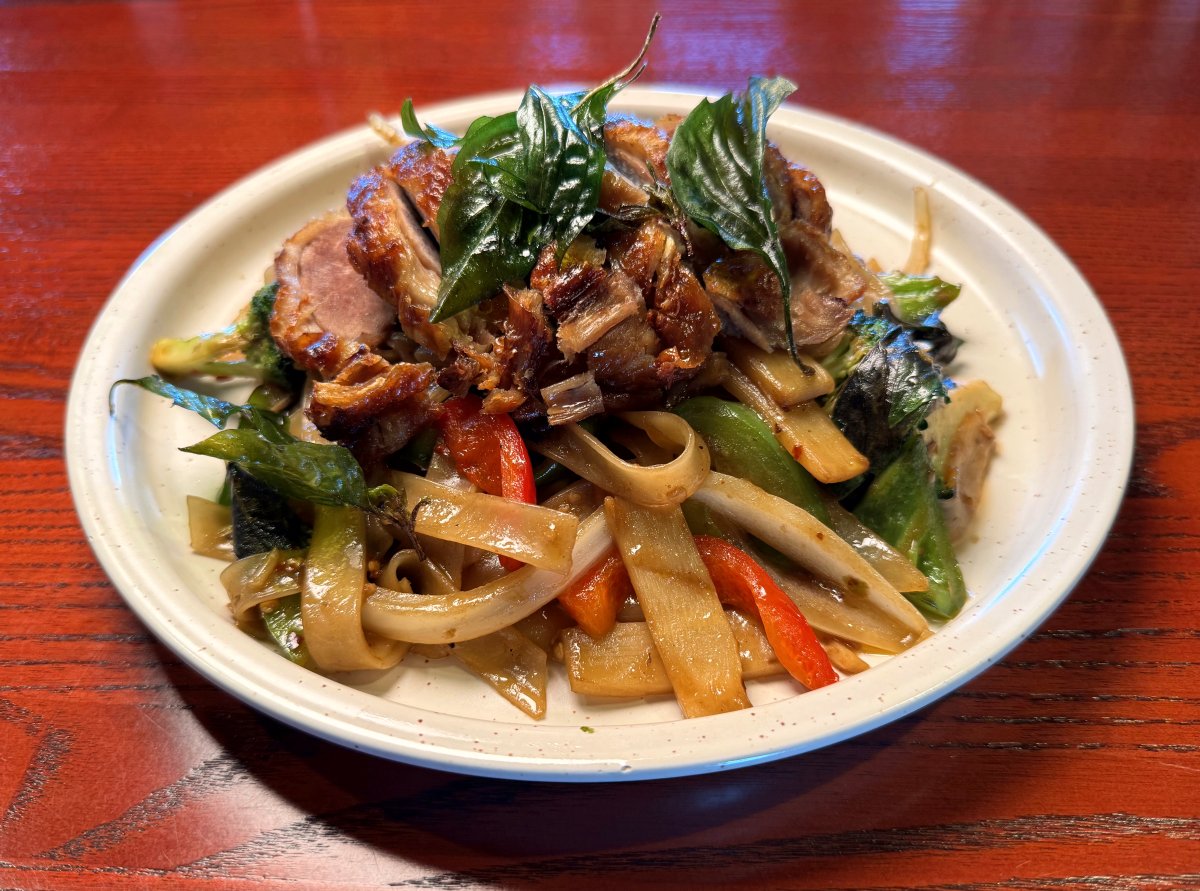
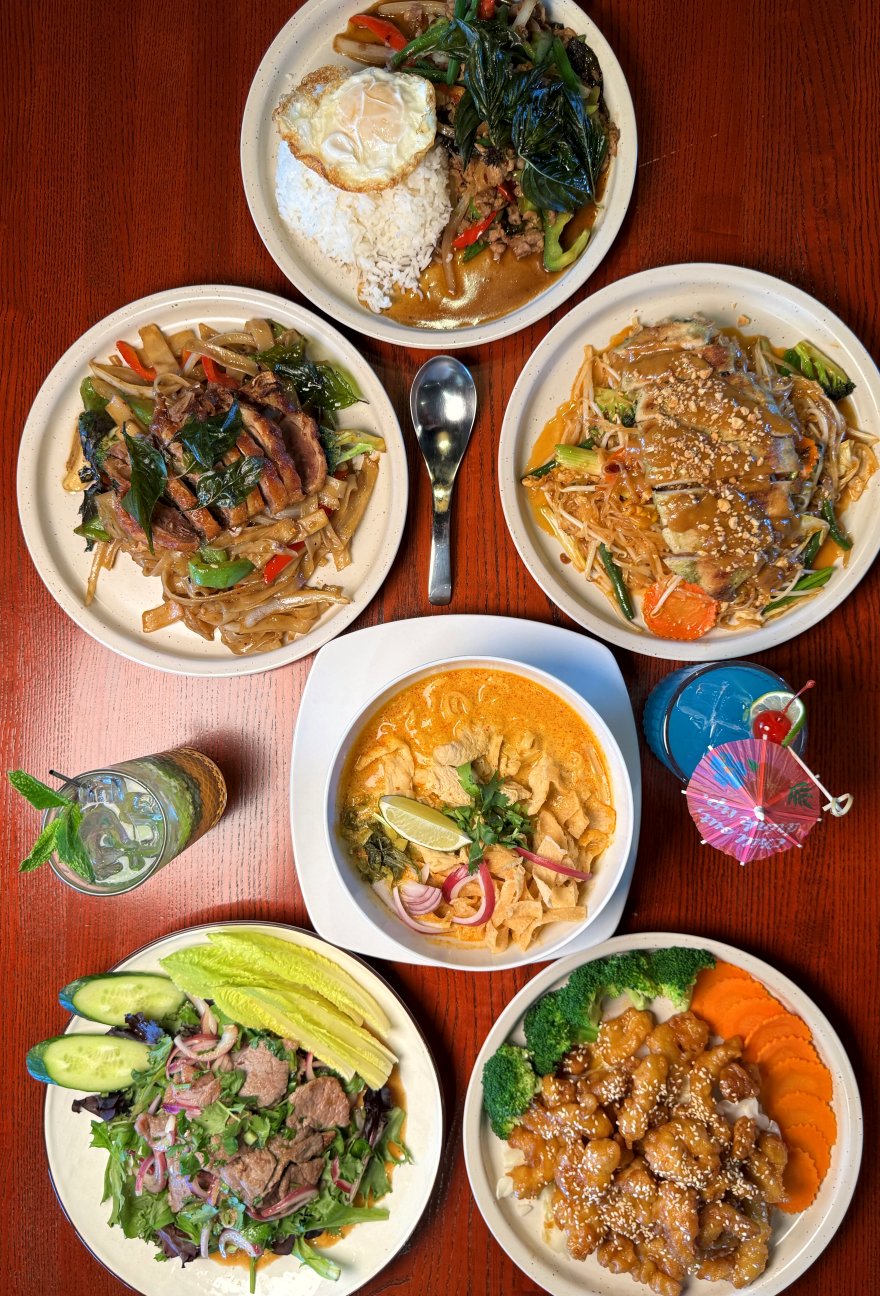
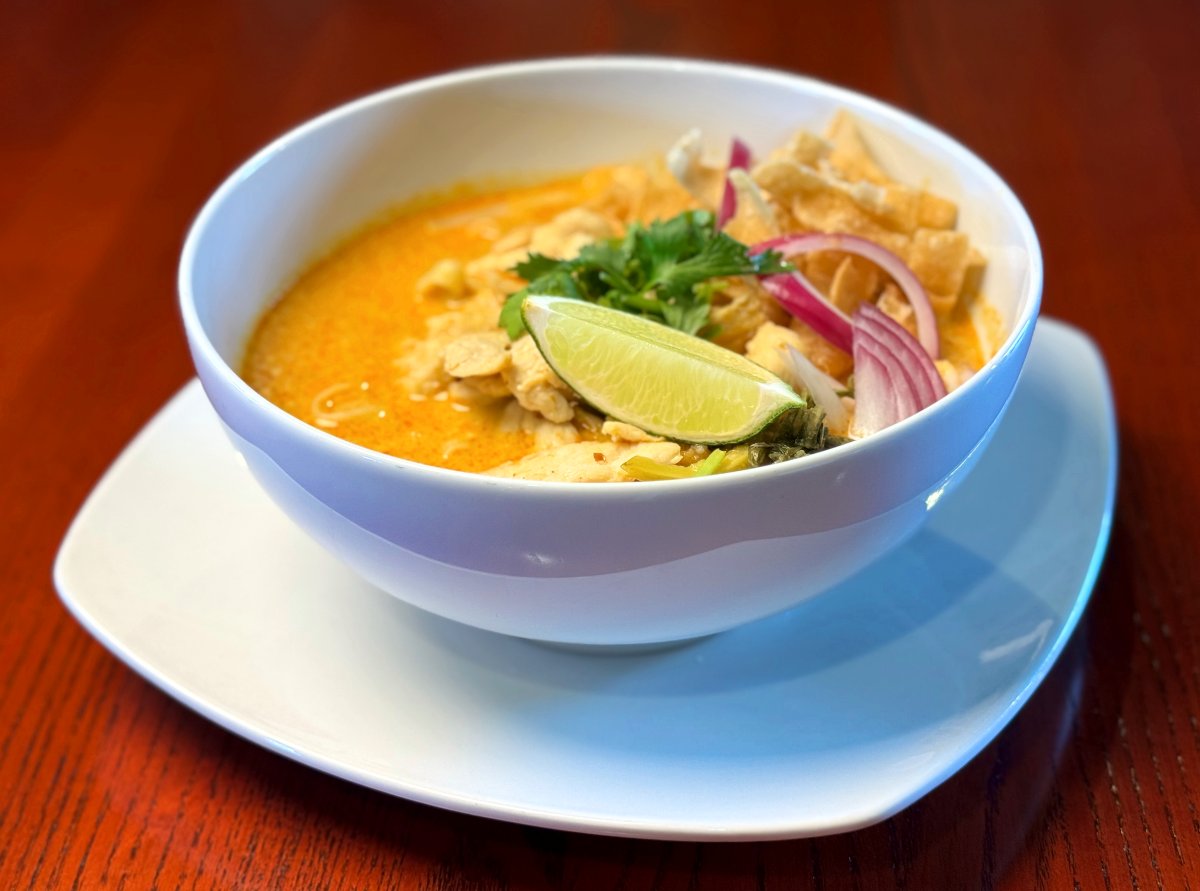
Drunken Noodles reward confidence. They are not the sort of noodles that ask for delicate handling or timid seasoning. They want high heat, a quick hand, broad rice noodles that catch sauce in glossy folds, and enough aroma coming off the pan to make everyone in the kitchen suddenly hungry. Add extra garlic, and the dish leans even further into what makes it irresistible, deep savoriness, heat, a little sweetness, and that unmistakable stir-fried perfume that clings to the air long after dinner is served.
The first time I started pushing more garlic into Drunken Noodles, it was not because I wanted to reinvent anything. It was because I kept noticing that the garlic flavor faded too quickly in home versions. Restaurant plates often carry a deep, almost smoky garlic note that sits beneath the soy sauce and chiles. At home, many recipes call for two or three cloves, which sounds reasonable on paper but disappears once it hits a hot wok with noodles, vegetables, and sauce. The answer was simple. Use more garlic, and use it thoughtfully.
That last point matters. Extra garlic can make a dish richer and more aromatic, but it can also turn harsh if it scorches, or muddy if it overwhelms the basil and chiles. The best Drunken Noodles with extra garlic still taste balanced. The garlic should announce itself clearly, then settle into the background as the salty, sweet, savory, and spicy notes come together.
What makes Drunken Noodles distinct
Drunken Noodles, often associated with the Thai dish pad kee mao, are built around contrast. You get chewy rice noodles, heat from fresh chiles, savory depth from sauces, and the sweet-anise lift of Thai basil. The dish usually includes vegetables with enough structure to survive a hard stir-fry, often Chinese broccoli, bell pepper, onion, or baby corn. Protein is flexible. https://telegra.ph/How-to-Make-Mild-Drunken-Noodles-for-Kids-and-Families-09-25-2 Chicken works beautifully, shrimp cooks fast, tofu carries flavor well, and beef brings a richer finish.
The name causes some confusion, especially for people trying the dish for the first time. There is no need to add alcohol to make it authentic. Depending on who is telling the story, the noodles are either the ideal late-night meal after drinking, or bold enough to pair with a cold beer. The practical takeaway is more useful than the folklore. This is a dish meant to be vivid and satisfying, not subtle.
That is why extra garlic makes such good sense here. Garlic reinforces the dish’s natural intensity without pushing it into heaviness. It gives the noodles more dimension and makes a home-cooked version taste closer to what people often remember from a strong Thai restaurant kitchen.
Garlic is not just an add-on
A lot of home cooks think of garlic as a background ingredient, something you toss in because almost every savory dish starts there. In Drunken Noodles, garlic deserves more respect. It shapes the entire flavor profile.
Raw garlic brings sharpness and bite. Garlic briefly fried in oil turns nutty and fragrant. Garlic cooked too long becomes bitter. In a fast stir-fry, these transitions happen in seconds. If you are adding more garlic than usual, the margin for error shrinks a little, which means timing becomes more important.
I prefer using six to eight medium cloves for a batch that serves about four people, sometimes even more if the cloves are small or mild. That sounds aggressive until you remember how much competition the garlic faces. Oyster sauce, soy sauce, fish sauce, fresh chiles, basil, and the char from the pan are all strong players. A modest amount of garlic simply vanishes.
There is also a textural consideration. Finely chopped garlic disperses through the sauce and clings to the noodles. Thinly sliced garlic gives you more distinct pockets of flavor. A rough mince offers a middle path. For Drunken Noodles, a rough mince tends to work best because it cooks evenly and still leaves visible bits throughout the dish.
Start with the noodles, not the sauce
Most stir-fry problems begin before the pan is even hot. Rice noodles are particularly unforgiving because their condition determines whether the final dish feels silky and springy or clumpy and broken.
Fresh wide rice noodles are ideal if you can get them. They separate easily, hold their chew, and absorb sauce without collapsing. If they are refrigerated and stuck together, a short rest at room temperature helps. You can also loosen them gently with your hands before they go into the pan. Pulling too hard tears them, and torn noodles lose the satisfying ribbon-like texture that makes Drunken Noodles so appealing.
Dried wide rice noodles are a perfectly good option, but they need restraint. Most packages suggest soaking or boiling until tender. For stir-fry, stop earlier than you think. The noodles should still feel slightly underdone because they will continue softening in the wok. Fully cooked noodles tend to fracture and turn sticky once they meet the sauce.
This is one of those judgment calls that comes with practice. If you are nervous, err on the side of firmer noodles. You can always add a splash of water in the pan and let them finish cooking there. It is much harder to rescue noodles that have already gone limp.
The sauce should taste slightly too strong on its own
Drunken Noodles sauce is simple, but “simple” can be misleading. The dish moves quickly, so every component has to pull its weight. A thin, underseasoned sauce disappears into the noodles and leaves everything flat.
I like a base of oyster sauce for body, soy sauce for salinity, fish sauce for pungent depth, and a touch of sugar to round the edges. Some cooks add dark soy sauce mainly for color, which can be useful if you want a deeper brown finish. The exact ratio depends on the saltiness of your soy sauce and the intensity of your fish sauce, so tasting matters more than memorizing a rigid formula.
The sauce should taste a little too salty and a little too assertive when sampled alone. Once it coats a pound or so of noodles, plus vegetables and protein, it settles into balance. If it tastes perfect in the bowl, it often tastes weak in the pan.
Extra garlic changes the equation slightly. Because garlic adds pungency and a faint natural sweetness as it cooks, you may need a touch less sugar than you use in a standard batch. Not much less, just enough to keep the sauce from drifting into a sweet-savory territory that feels heavy rather than lively.
Building flavor in the pan
Good Drunken Noodles are cooked fast, but not carelessly. Home stoves rarely match restaurant burners, which means your strategy has to compensate. Trying to cook everything at once usually steams the ingredients instead of searing them. Steam is the enemy here. It softens vegetables, dulls flavors, and leaves the noodles pale.
A large wok is excellent if you have one, but a broad skillet can do the job. The key is surface area and heat retention. Get the pan properly hot before any oil goes in. Then add a neutral oil with a high smoke point. Once the oil shimmers, start with the protein if you are using one that needs browning. Cook it most of the way, remove it if necessary, and move to the aromatics.
This is the most delicate stretch of the entire recipe. Garlic and chiles should hit the pan for only long enough to become fragrant. Usually that means several seconds, not minutes. If the garlic goes blond and aromatic, you are in the sweet spot. If it goes chestnut brown before the noodles are added, you are seconds away from bitterness.
After that, the vegetables go in. Onion softens and sweetens quickly. Bell pepper keeps some crispness if left slightly undercooked. Chinese broccoli takes a little longer, especially the stems, so it helps to slice them on the thinner side. Once the noodles and sauce enter the pan, the goal is fast, decisive tossing so the sauce coats everything before the noodles start sticking.
Why extra garlic works so well with basil and chiles
The most compelling versions of Drunken Noodles are layered, not just spicy. Heat alone is not enough. You need aroma and freshness to keep the dish from feeling blunt.
Thai basil does a lot of heavy lifting here. It has that peppery, sweet-anise character that lifts the whole pan. When people substitute Italian basil, the result can still be tasty, but it shifts the profile. Italian basil reads softer and more familiar, almost Mediterranean, whereas Thai basil cuts through the sauce with more authority.
Extra garlic supports basil surprisingly well. Garlic deepens the savory foundation, while basil brightens the finish. Chiles bridge the gap between the two. Fresh red chiles are best when available, but even a combination of fresh jalapeño and a hotter chile can work in a pinch. The exact spice level should depend on the people eating it, not on anyone’s need to prove a point. There is a difference between pleasurable heat and heat that flattens the dish.
If you want bolder flavor without simply making the noodles hotter, garlic is the smartest place to push. More chiles can overwhelm. More fish sauce can make the dish too funky. More soy can tip it salty. More garlic, handled well, tends to make the dish feel fuller rather than harsher.
Choosing a protein without losing the character of the dish
Drunken Noodles can carry almost any protein, but each one changes the rhythm of cooking and the final feel of the plate.
Chicken thigh is one of the best options because it stays juicy and picks up caramelization. Thin slices cook quickly and do not dry out in the way breast meat sometimes can. Shrimp brings sweetness and speed, though it offers less browning and can overcook in a flash. Beef works best sliced very thin against the grain, especially if the pan is hot enough to sear it quickly. Tofu absorbs the sauce beautifully, but it benefits from being browned first so it contributes texture rather than just softness.
There is no need to force protein into the dish, either. A vegetable-forward version can be excellent, especially if you increase the mushrooms or use Chinese broccoli generously. The noodles themselves are substantial enough to carry the meal.
The main thing is to avoid crowding the pan. A pound of noodles plus a heavy load of protein plus a lot of vegetables is often too much for one home wok. Splitting the recipe into two batches gives better char, better sauce adhesion, and cleaner flavor.
Practical details that matter more than people expect
Small decisions make a noticeable difference in Drunken Noodles. This is one of those dishes where ten percent improvements stack up quickly.
Using freshly minced garlic instead of pre-minced jarred garlic is one of those decisions. Jarred garlic has its place in busy kitchens, but it lacks the brightness and complexity this dish needs. Since garlic is a central feature here, fresh cloves are worth the minute or two of extra prep.
Another detail is mise en place, even if you never call it that at home. Have the sauce mixed, the noodles loosened, and the vegetables cut before the pan goes on the heat. Stir-frying punishes hesitation. If you stop to measure fish sauce while garlic is in the pan, the garlic will let you know.
The final seasoning is also critical. Sometimes the noodles need a small splash of water to loosen the sauce and create a glossy finish. Sometimes they need a few more basil leaves off the heat so the herb aroma stays vivid. Sometimes they need a squeeze of lime, though that is more a personal touch than a requirement. The point is to taste and adjust rather than assuming the pan is done the instant the noodles soften.
Common problems and how to avoid them
A disappointing batch of Drunken Noodles usually comes down to a short list of mistakes. Most are easy to fix once you know what to look for.
- The noodles are mushy because they were over-soaked or over-boiled before stir-frying.
- The pan is overcrowded, so the ingredients steam instead of sear.
- The garlic burns early, which adds bitterness to the entire dish.
- The sauce is too timid, so the noodles taste bland once everything is combined.
- The basil goes in too soon and loses its fragrance before serving.
Those issues sound technical, but they are really about timing and confidence. The solution is not a more complicated recipe. It is better sequencing and attention to heat.
A reliable home approach
For anyone cooking Drunken Noodles regularly, a repeatable method matters more than a dramatic one. You do not need to chase restaurant theatrics. You need control.
A batch for four people usually works best with about 12 to 14 ounces of wide rice noodles, 6 to 8 cloves of garlic, a couple of fresh chiles, roughly 8 ounces of protein if using, and enough vegetables to keep the dish lively without burying the noodles. A sauce based on a few tablespoons of oyster sauce, soy sauce, and fish sauce, plus a modest spoonful of sugar, lands in the right zone for most palates. From there, tasting guides the rest.
When I cook it at home, I often hold back a small pinch of the garlic at the start, then add it later with the noodles. That gives me two garlic notes at once, one deeper and mellower from the early cooking, one fresher and more aromatic from the later addition. It is a subtle trick, but it creates the kind of layered flavor people notice even if they cannot quite explain why the dish tastes fuller.
The same principle applies to basil. Most of it should go in right at the end so it wilts from the residual heat rather than frying into submission. You want the basil to perfume the dish, not vanish into it.
Serving the dish at its best
Drunken Noodles are at their peak within minutes of leaving the pan. The noodles are glossy, the basil is fragrant, and the garlic sits right at the front of the aroma. Let the dish rest too long, and the noodles begin to clump while the herbs lose their edge.
That does not mean you need a formal presentation. In fact, this is one of the least fussy dishes to serve. Pile it into warm shallow bowls or onto plates, making sure each portion gets a fair mix of noodles, vegetables, and protein. A few extra basil leaves on top are enough. If someone wants more heat, sliced fresh chiles on the side are better than drowning the whole batch in chili flakes.
Pairings should stay simple. A crisp cucumber salad can cool the heat. Stir-fried greens work if you want a more substantial spread. A cold lager is hard to argue with. So is iced tea.
Leftovers are still good, but they are not quite the same experience. Reheat them in a skillet rather than a microwave if you can, adding a teaspoon or two of water to loosen the sauce. The basil will be more muted the next day, but the garlic often becomes rounder and deeper.
When to push the garlic and when to hold back
There is a limit to every good idea. Extra garlic improves Drunken Noodles when it supports the dish, not when it hijacks it.
If you are using very pungent, newly harvested garlic, you may need a little less. If your chiles are especially hot, too much garlic can make the dish feel crowded rather than balanced. If you are serving people who prefer a cleaner, lighter profile, five or six cloves may be a better target than eight or nine.
This is where cooking experience matters. You learn to read the ingredients in front of you, not just the recipe in front of you. One head of garlic can be sweet and mellow, another can be sharp enough to dominate a pan. Fish sauce varies. Basil varies. Even noodle brands absorb sauce differently. Precision helps, but judgment is what turns a good stir-fry into a memorable one.
The version I come back to most often is assertive but not punishing, deeply garlicky but still clearly Drunken Noodles, with enough basil and chile to keep every bite bright. It is the kind of dish that feels generous and alive, the sort of meal that arrives at the table hot and fragrant and disappears faster than expected. That is usually the best sign you got it right.
Nakhon Luang Thai Kitchen
Address: 805 Village Center Dr, Colorado Springs, CO 80919
Phone number: +17195315175
FAQ About Drunken Noodles
What makes it drunken noodles?
Drunken noodles, or Pad Kee Mao, get their name from the Thai word khi mao (meaning "drunkard"). They contain no alcohol. The name comes from the idea that the dish is a popular late-night meal to cure a hangover or a great food to eat with a cold beer.
What is the difference between pad see ew and drunken noodles?
While both Pad See Ew and Drunken Noodles use the same wide rice noodles, Pad See Ew is a mild, sweet-savory dish made with dark soy sauce and Chinese broccoli, whereas Drunken Noodles (Pad Kee Mao) are fiery, garlicky, and herbaceous with fresh chilies and Thai basil.
What are traditional drunken noodles?
Traditional drunken noodles, known as Pad Kee Mao in Thai, are a fiery, savory street food stir-fry made with wide flat rice noodles, fresh garlic, lots of hot chilies, meat or tofu, and fragrant holy basil. Despite the name, they contain no alcohol; the dish is traditionally eaten late at night or as a hangover cure because the intense spice helps clear the head.